
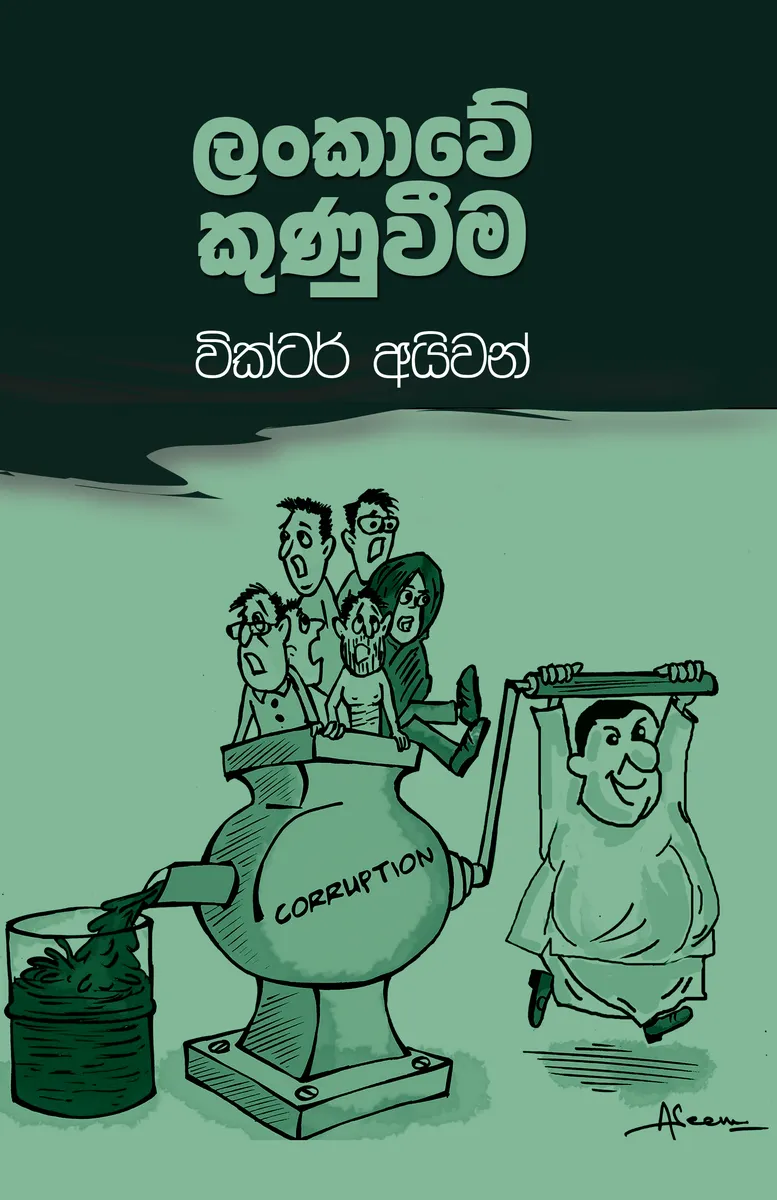
ලංකාවේ කුණුවීම යනු ලංකා රාජ්යයේ හා ආයතන ක්රමයේ ඇති වී තිබෙන කුණුවීම සහ ඒ ආශ්රයෙන් හැම තැනකම දක්නට ලැබෙන අරාජකත්වය විග්රහ කරන කෘතියකි. කතුවරයාට අනුව මෙම තත්ත්වය ඇති වූයේ නිදහසේදී හෝ ඉන්පසු සිදු වූ මහා පරිමාණ ලේ වැගිරීම්වලින් පසුව හෝ රාජ්යයේ යහපැවැත්මට අත්යවශ්ය ඓතිහාසික කොන්දේසි සපුරා ගැනීමට අසමත් වීම නිසා ය. ගැඹුරු ව්යුහමය වෙනසක් සිදු නොවුණොත් ලංකාව පරිපූර්ණ කාලකණ්ණි තත්ත්වයකට ඇද වැටිය හැකි බව ඔහු අනතුරු අඟවයි. කුණුවීමේ ප්රමාණය අනුව, ක්රමය තුළින් බලයට පත් වන කිසිදු පාලකයෙකුට එය ජයගැනීමට නොහැකි නිසා මහජනයාගේ බලවත් අවධානය එයට යොමු විය යුතු බව ද ඔහු පවසයි.
පෙර ලියූ ලිපි නැවත සලකා බලා කපා කොටා සංස්කරණය කර මෙම කෘතිය සකස් කර ඇත. අරාජකත්වය කරා යන ගමනෙන් ආරම්භ වන පරිච්ඡේද දහඅටක් එහි ඇත. චින්තනයේ දුප්පත්කම හා එහි ඓතිහාසික පසුබිම, ප්රමිතියක් නැතිකම, රාජ්ය පාලනයේ වස්තු කොල්ලය, ගමේ යථාර්ථය, වෛද්ය හා සාමාන්ය අධ්යාපනයේ අර්බුදය, ව්යවස්ථා සම්පාදනය, අධිකරණයේ හා පාර්ලිමේන්තුවේ කුණුවීම එහි විග්රහ කෙරේ. කෘතිය අවසන් වන්නේ කුණුවීම ජයගන්නේ කෙසේද යන ප්රශ්නයෙනි.
The Rotting of Lanka examines the decay of the Sri Lankan state and its institutions, and the near-anarchy it has produced everywhere. Victor Ivan argues that this decay came from a failure to meet certain historic conditions the state needed in order to work well. That failure happened at independence and again after the great bloodshed that followed. Without a deep structural change, he warns, Sri Lanka could slide into utter misfortune. Because the rot runs so deep, he believes no ruler who rises from within the system can overcome it, so the public itself must take the problem seriously.
The book is built from his earlier articles, revised and edited. Its eighteen chapters begin with “the road to anarchy”. They then examine the poverty of the country’s thinking and its historical roots, the lack of standards, and the plunder of state assets. Other chapters cover the reality of village life, the crisis in medical and general education, and constitution-making. Two chapters deal with the decay of the courts and of parliament. The book closes by asking how the rot can be overcome.