
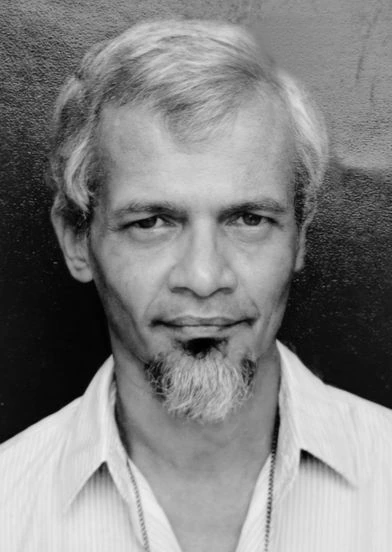
Biography
Biography · From his prison diary
10 July
1971
Saturday · aged 22
Wijerama Mawatha
ENT clinic
Kuruduwatta
''IP ජෙගනාදන් විසින් මගේ කන් දෙක වසා දිගින් දිගට පහරදීම නිසා කණ කුණුවී තිබුනා.''
“My ear had gone septic because IP Jeganadan had covered both my ears and struck them again and again.”
Arrested on 4 April 1971, he kept a diary of the sixteen weeks that followed. It is the earliest document in the archive, and the only one in which he is the subject rather than the reporter.
Books & Publications · Selected works
Four decades
in print
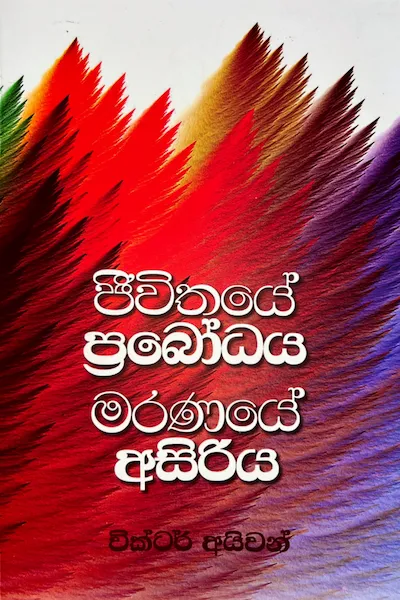
පොත් රාක්කය
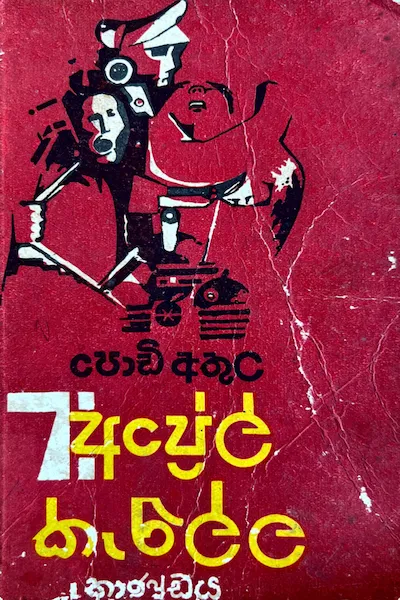
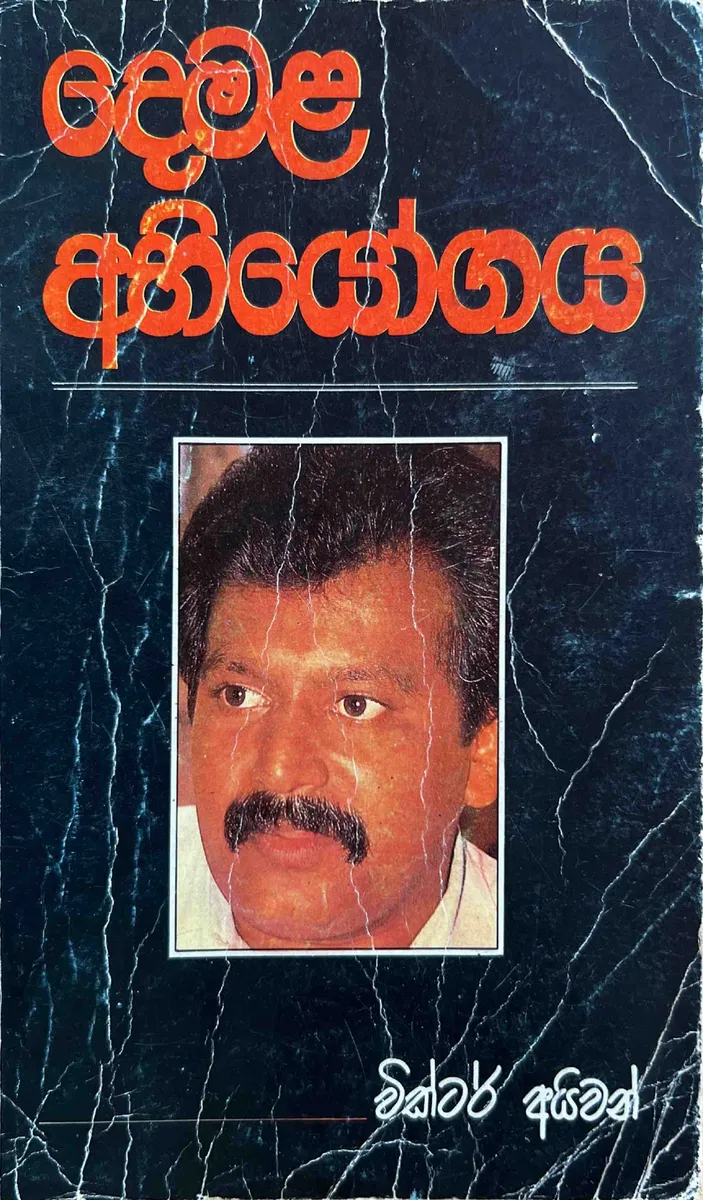
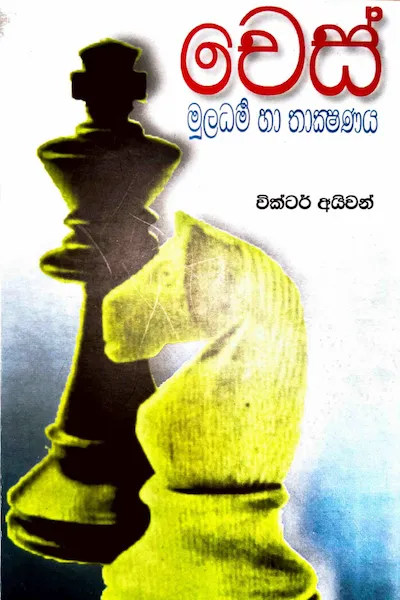
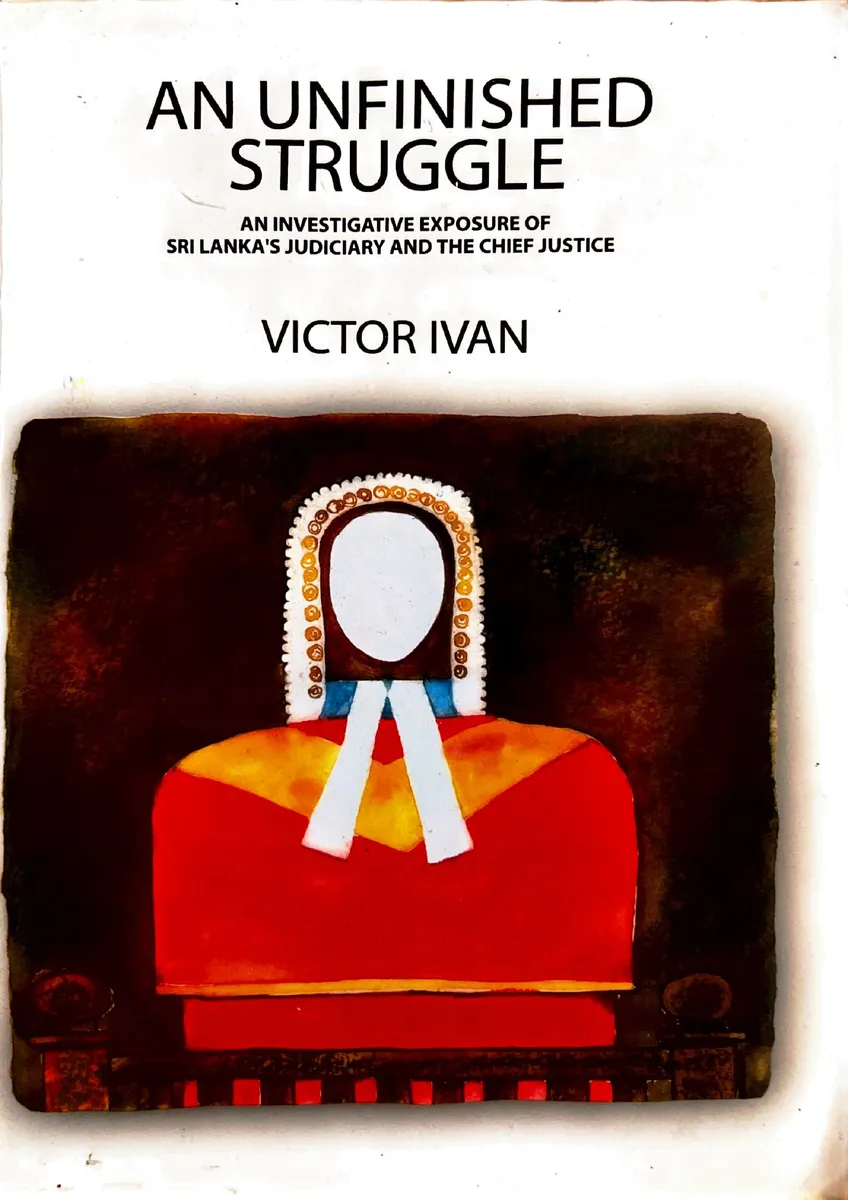
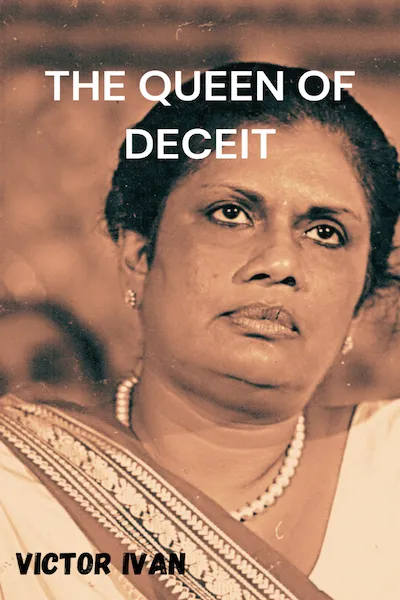
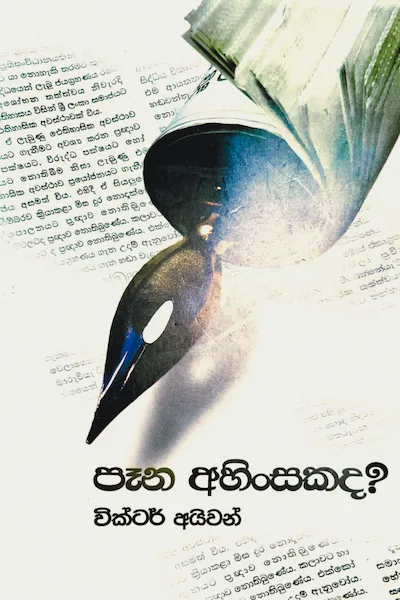
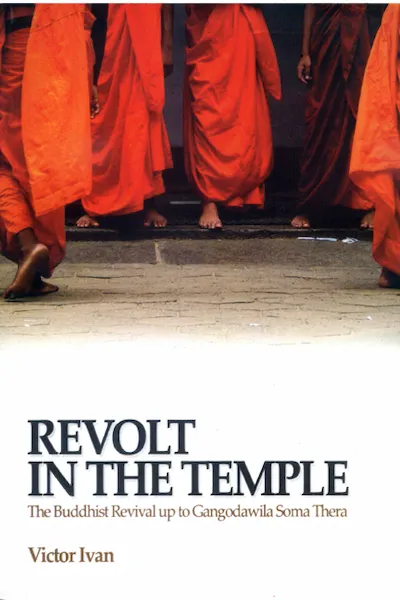
More than thirty books, from his 1979 account of the 1971 insurrection to a 2022 call for a people’s constitution. These are some of his best known.
1979 දී පළ වූ ‘71 කැරැල්ල’ සිට 2022 දක්වා වික්ටර් අයිවන් පොත් තිහකට අධික සංඛ්යාවක් රචනා කළේය. මෙහි දැක්වෙන්නේ ඒ අතරින් වඩාත් ප්රකට කෘති කිහිපයකි.
Twenty-five years
under one editor
He founded Ravaya as a monthly magazine, turned it into a weekly newspaper, and edited it until June 2012. It exposed corruption at the top of the state, and was taken to court for it, again and again.
1986
A monthly magazine
1990
A weekly newspaper
2012
Steps down after 25 years
Origins · In Ravaya’s own words
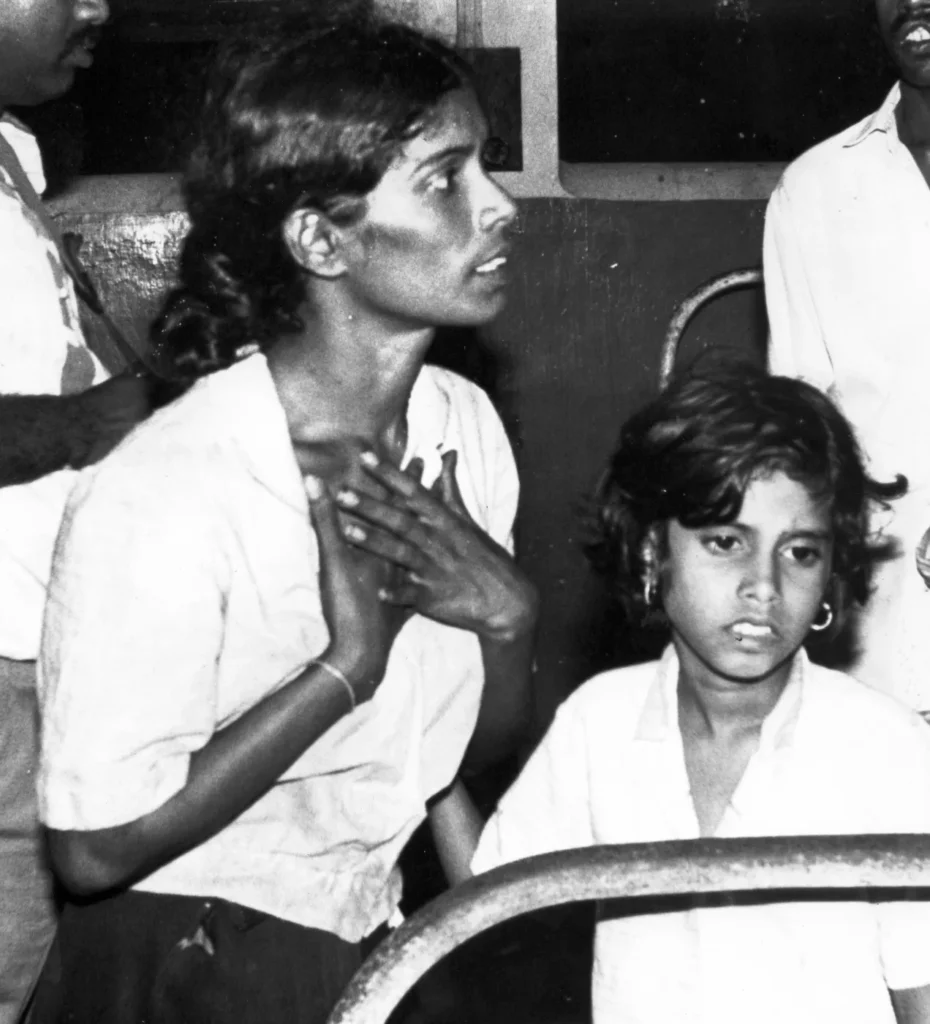
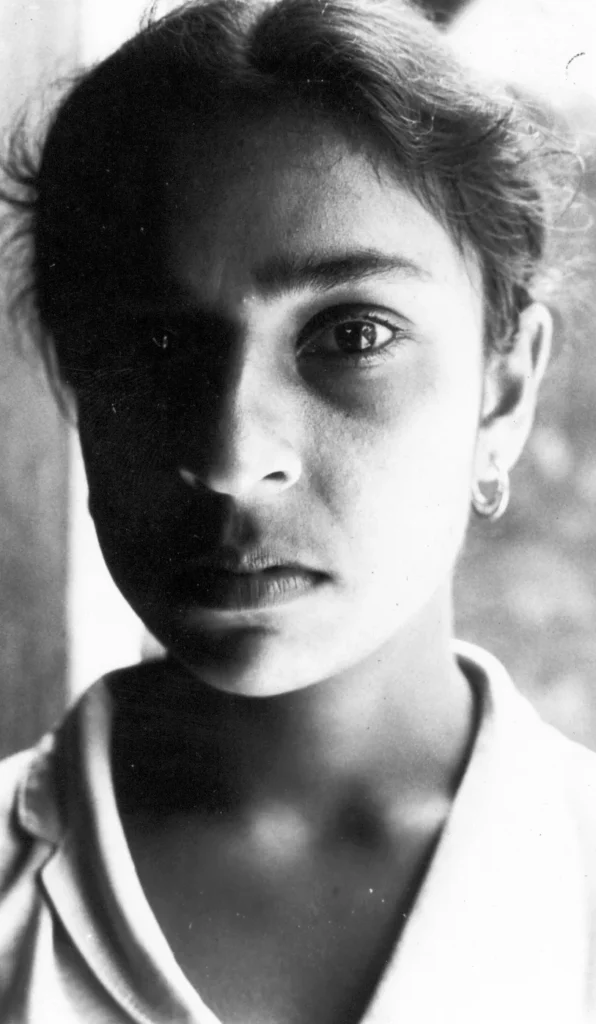
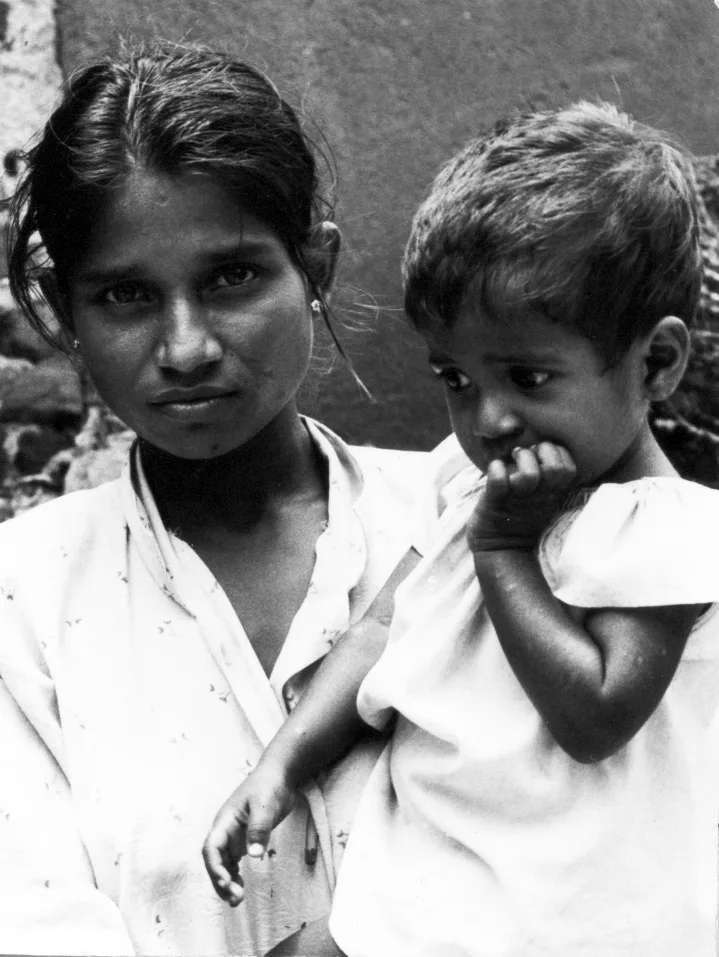
Families of the missing, from the terror years of the late 1980s.
රාවය' පුවත්පතේ සමාරම්භය 1986 ඔක්තෝබර් මාසයේදී සනිටුහන් විය. එම යුගය, විධායක ජනාධිපති ක්රමය යටතේ ශ්රී ලංකාවේ ප්රජාතන්ත්රවාදී අයිතීන් දැඩි අවදානමකට ලක්ව තිබූ ඓතිහාසික වකවානුවක් ලෙස සැලකේ.
“Ravaya was born in October 1986. It was a fearsome age, when democratic freedom lay buried under the executive presidency.”
From Ravaya’s history of its first twenty-five years.
President J.R. Jayewardene
Summoned by the President
ජනපතිගේ තර්ජනය හමුවේ නොසැලුණු 'කාලිංග'
Angered by Ravaya’s criticism, Jayewardene called the editor in: if Ravaya wanted to keep publishing, the political column he wrote as “Kalinga” had to stop.
The editor replied that Ravaya’s aim was to bring a debate being fought with guns into a civilised one. Kalinga missed a single issue, then came back.
රාවයේ විවේචන හමුවේ කෝපයට පත් ජයවර්ධන මහතා එහි කර්තෘවරයාව කැඳවා ප්රකාශ කළේ, රාවය පුවත්පත අඛණ්ඩව පවත්වාගෙන යාමට අවශ්ය නම් ඔහු "කාලිංග" නමින් ලියන දේශපාලන තීරුව නැවැත්විය යුතු බවයි. ඊට පිළිතුරු දෙමින් කර්තෘවරයා සඳහන් කළේ, රාවයේ අරමුණ වී ඇත්තේ අවි ආයුධවලින් සිදුවන අරගලයක් ශිෂ්ටසම්පන්න සංවාදයක් බවට පත් කිරීම බවයි. ඒ අනුව, "කාලිංග" තීරුව එක් කලාපයක් තුළ පමණක් පළ නොවූ අතර, ඉන් අනතුරුව එය යළිත් සුපුරුදු පරිදි පළ විය.
The JVP’s second insurrection · 1989
Vote, despite the death threats
ජේවීපීයේ දෙවැනි කැරැල්ල
Both the JVP and the forces were attacking journalists. Ravaya named the wrongs of both sides.
When the JVP banned the 1989 presidential election, Ravaya told its readers to go and vote, ignoring the JVP’s death threats.
ජනතා විමුක්ති පෙරමුණ (JVP) සහ ආරක්ෂක අංශ යන දෙපාර්ශ්වයෙන්ම මාධ්යවේදීන්ට එරෙහිව ප්රහාර එල්ල වෙමින් පැවතුණි. එහෙත්, රාවය පුවත්පත එම පාර්ශ්ව දෙකෙහිම වැරදි එකසේ පෙන්වා දුන්නේය.1989 ජනාධිපතිවරණයට ඡන්දය දීම ජනතා විමුක්ති පෙරමුණ විසින් තහනම් කළ අවස්ථාවේදී, ඔවුන්ගේ මරණ තර්ජන ද නොතකා ගොස් ඡන්දය ප්රකාශ කරන ලෙස රාවය සිය පාඨකයන්ගෙන් ඉල්ලා සිටියේය.
The Premadasa years
Before the privileges committee
ජනමාධ්ය නිහඬ කළ පාර්ලිමේන්තු වරප්රසාද නීතිය
Parliament could punish journalists, even jail them. Five complaints were lined up against Ravaya; the first came from K.N. Choksy, President Premadasa’s legal adviser.
The editor challenged the committee’s power to punish without any legal procedure. The hearing was put off indefinitely, and such cases later went to the Supreme Court instead.
මාධ්යවේදීන්ට දඬුවම් පැමිණවීමටත්, ඔවුන් සිරගත කිරීමට පවා එකල පාර්ලිමේන්තුවට බලය තිබුණි. ඒ අනුව, 'රාවය' පුවත්පතට එරෙහිව පැමිණිලි පහක් ගොනු කර තිබූ අතර, ඉන් පළමුවැන්න ඉදිරිපත් කර තිබුණේ ප්රේමදාස ජනාධිපතිවරයාගේ නීති උපදේශකවරයා වූ කේ. එන්. චොක්සි මහතා විසිනි. කිසිදු නිසි නීතිමය ක්රියාපාටියකින් තොරව දඬුවම් නියම කිරීමට අදාළ කමිටුවට ඇති බලය කර්තෘවරයා විසින් එහිදී අභියෝගයට ලක් කරන ලදී. එහි ප්රතිඵලයක් ලෙස එම පැමිණිලි විභාගය දින නියමයක් නොමැතිව කල් දැමුණු අතර, පසුව එවැනි නඩු විභාග කිරීම සඳහා යොමු කෙරුණේ ශ්රේෂ්ඨාධිකරණයටයි.
From the paper’s own account of its first twenty-five years.
Archive · 1979–2022
From the
archive
ලේඛනාගාරය
Four decades of columns and editorials from Ravaya, the Daily FT, The Sunday Times and other papers, in Sinhala and English. New articles are added as the scanning continues.
රාවය, ඩේලි එෆ්ටී සහ සන්ඩේ ටයිම්ස් ඇතුළු පුවත්පත්වල දශක හතරක් පුරා පළ වූ ඔහුගේ ලිපි, සිංහලෙන් හා ඉංග්රීසියෙන්. ලිපි ස්කෑන් කිරීම දිගටම සිදු වන බැවින් නව ලිපි නිතර එක් කෙරේ.