
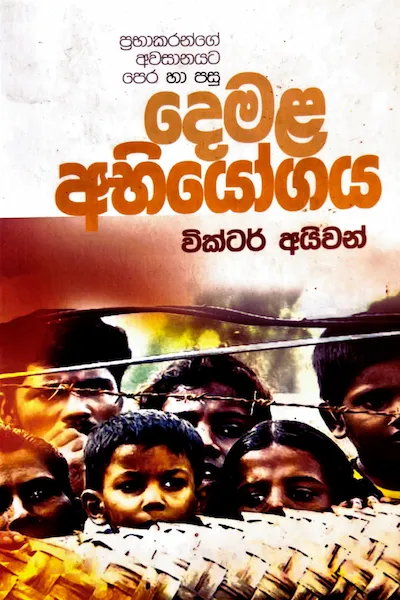
ප්රභාකරන්ගේ අවසානයට පෙර හා පසු යන උප මාතෘකාව සහිත දෙමළ අභියෝගය 2012 දී පළ විය. 1989 දී එම නමින්ම පළ කළ පොතේ සංශෝධනයක් නොව, අලුත් පොතක් බව කතුවරයා පෙරවදනේ සඳහන් කරයි. සිංහල-දෙමළ අන්තර් සම්බන්ධය ලේ හැලෙන ගැටුමක් බවට පත්වීමට හේතු වූ ගැඹුරු හා නවමු හේතු, මීට පෙර අවධානයට ලක් නොවූ කරුණු ද ඇතුළත් කරමින්, ගැටුමේ ප්රධාන පාර්ශ්ව දෙකම විවේචනාත්මකව සලකා බලමින් මෙහි විග්රහ කෙරේ.
බ්රිතාන්ය යුගය තෙක් වර්ග, ආගම් හා භාෂා, බ්රිතාන්ය යුගයේ සමාජ පෙරළිය, ආගමික, කුල හා වර්ග ප්රබෝධය, බෙදී ගිය ජාතියක නිදහස් සටන, නිදහසින් පසු සුළු වර්ග පෙළීම, දමිළයන් කබලෙන් ළිපට දැමූ ඊලාම්වාදය හා උගත යුතු පාඩම් යන කොටස් හතක් ඔස්සේ පොත දිව යයි.
ප්රභාකරන්ගේ පරාජයෙන් දෙමළ ප්රශ්නය අවසන් වී නැති බවත්, එය වඩා ජාත්යන්තරකරණය වී ඇති බවත් පෙන්වා දෙන කතුවරයා, සියලු දෙනාට සමාන අයිතිවාසිකම් හා ගෞරවය ලබාදෙන එක්සත් ශ්රී ලාංකික ජාතියක් ගොඩනැගීම පමණක් විසඳුම බව අවධාරණය කරයි.
දෙමළ අභියෝගය (ප්රභාකරන්ගේ අවසානයට පෙර හා පසු), “before and after the end of Prabhakaran”, was published in 2012, three years after the war ended. It shares its title with a book Victor Ivan wrote in 1989, which sold out quickly and was recommended for some university courses. In the preface he explains that this is not a revised edition of that book but a new one. It examines afresh the deep and the more recent causes that turned relations between Sinhalese and Tamils into a bloody conflict. It brings in facts that had received little attention, and it looks critically at both main parties to the conflict.
The book follows the question across two thousand years in seven parts:
- race, religion and language up to the British period;
- the social transformation under British rule and what it did to each community: Sinhalese, Lankan Tamils, Indian estate Tamils, Muslims and Burghers;
- the religious, caste and ethnic revivals;
- the independence struggle of what he calls a divided nation, from the Ceylon National Congress and the Jaffna Youth Congress to the Donoughmore and Soulbury reforms;
- the treatment of minorities after independence: the denial of citizenship to estate workers, the dry-zone colonisation schemes, the loss of Tamil language rights, a constitution made without Tamil participation and limits on Tamil students entering university;
- the Eelam movement, from the Vaddukoddai resolution and the 1977 election to the war;
- the lessons to be learned.
His conclusion is uncomfortable for both sides. Prabhakaran destroyed every rival Tamil leader before his own movement was destroyed, leaving the Tamil people without leaders, and separatist politics brought them only misery. Yet the Tamil problem did not end with the war; it became more international and could erupt again, while unrest was also growing among Muslims. He argues that the only answer is to build a single Sri Lankan nation that gives every community equal rights and dignity. Sri Lanka won its independence without bloodshed but failed at that task, and he warns that the country could pay a heavy price again if it fails once more.