
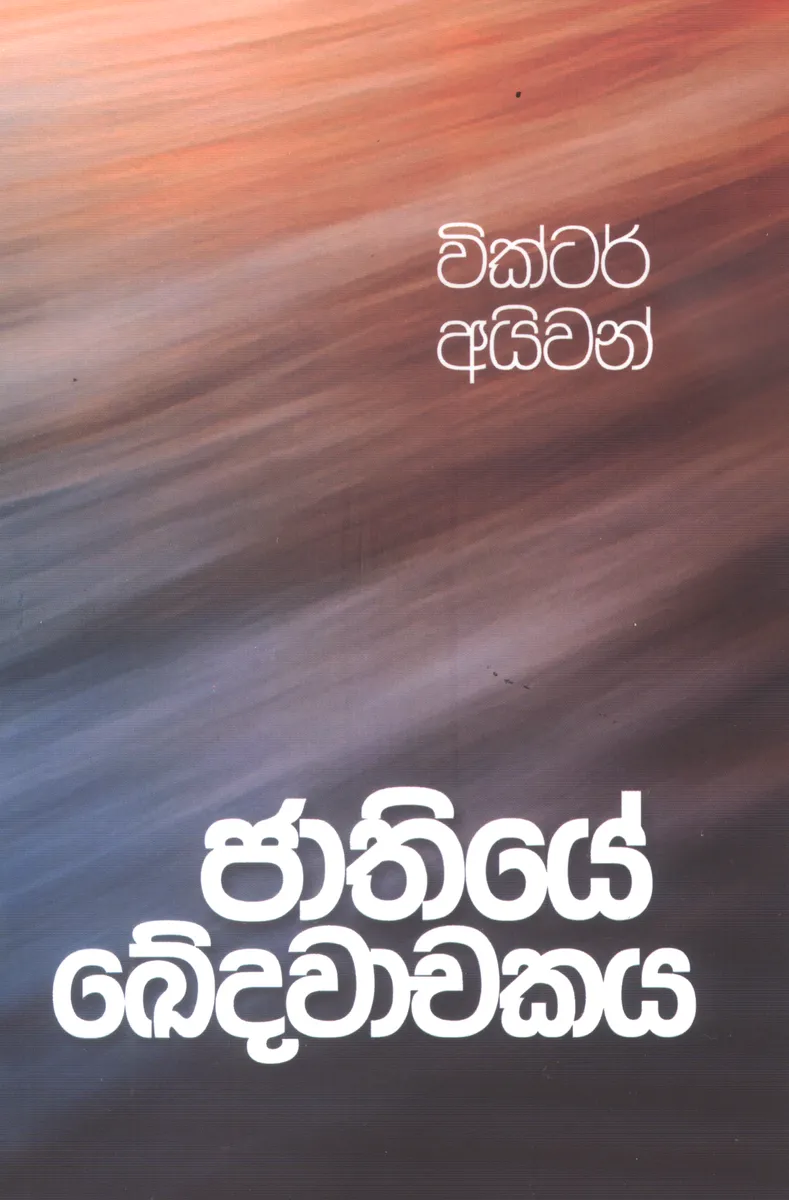
ජාතියේ ඛේදවාචකය යනු නිදහස දිනාගැනීම සඳහා වූ දේශපාලනයෙන් ආරම්භ වී අද දක්වා වර්ධනය වූ ශ්රී ලංකාවේ අර්බුදය කෙරෙහි බලපා ඇති දාර්ශනික දුගීභාවය, එනම් චින්තනයේ දුගීභාවය, විමසන කෘතියකි. කතුවරයාට අනුව බ්රිතාන්ය පාලන සමයේදී ලංකාව බාහිර පෙනුමෙන් නවීන රටක් බවට පත් වුවද, සමාජ-දේශපාලන චින්තනය ඒ තරමට නවීකරණය නොවීය. බාහිර පෙනුම නවීන වුවද ආකල්ප වැඩවසම්වාදී ව පැවතිණි. අනගාරික ධර්මපාලගේ ව්යාපාරයේ සිට වාමාංශික ව්යාපාරය ඇතුළු කිසිදු දේශපාලන ව්යාපාරයක් චින්තනයේ යහපත් පරිවර්තනයකට අවශ්ය ප්රජාතන්ත්රවාදී දැක්මක් පෙන්නුම් නොකළේ ය. ඒවා කළේ දුප්පත් චින්තනය තවත් අවුල් කිරීම පමණක් බව ඔහු පවසයි.
පරිච්ඡේද හතරකින් යුත් කෘතිය යටත්විජිත යුගය දෙස ආපසු හැරී බැලීමකින් ආරම්භ වේ. ඉන්පසු බටහිර පුනරුදය, කාර්මික විප්ලවය සහ ඉන්දියාවේ චින්තන විප්ලවය ඇතුළු නිදහස්වාදය හා ප්රජාතන්ත්රවාදය, ධර්මපාල, ලංකා ජාතික සංගමය, ලාංකික ගාන්ධිවාදීන් හා වාමාංශිකයන්ගේ චින්තනය සාකච්ඡා වේ. අවසාන පරිච්ඡේදය ඩොනමෝර් කොමිසමේ සිට 1956, 1972 සහ 1978 ව්යවස්ථා හරහා යුද්ධයෙන් පසු කාලය දක්වා දේශපාලන ශීලාචාරකම අහිමි වූ ආකාරය විග්රහ කරයි. නව සමාජ-දේශපාලන ව්යාපාරයක් හරහා නව ශ්රී ලාංකික රාජ්යයක් ගොඩනැඟීමේ ඉල්ලීමකින් කෘතිය අවසන් වේ. මෙම කෘතිය ලාල් පියසේන මහතාට පිළිගන්වා ඇත.
The Tragedy of the Nation examines the poverty of political thought behind Sri Lanka’s crisis, from the long struggle for independence to the present day. Victor Ivan argues that under British rule the island came to look like a modern country, but its social and political thinking was never modernised: modern on the outside, feudal in attitude. No movement since Anagarika Dharmapala, the left included, offered a democratic vision and social activism strong enough to change that thinking. Instead, he writes, they only deepened its confusion.
The four chapters begin with a look back at the colonial era. They go on to liberalism and democracy, including the Western Renaissance, the Industrial Revolution and India’s revolution in thought. Next comes the thought of Dharmapala, the Ceylon National Congress, the Lankan Gandhians and the left. The last chapter traces how politics lost its civility, from the Donoughmore Commission through 1956 and the constitutions of 1972 and 1978 to the years after the war. The book closes with a call for a new social and political movement to rebuild a Sri Lankan state. It is dedicated to Lal Piyasena.