
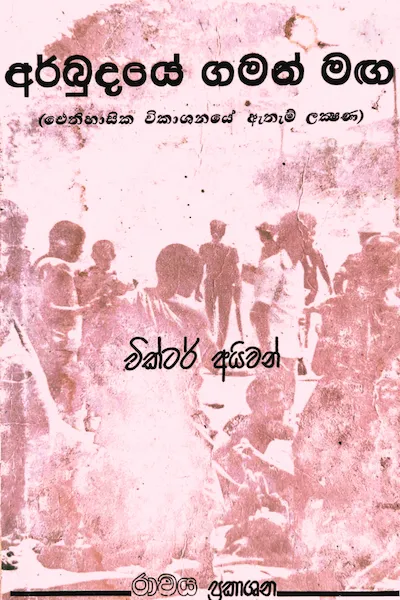
“ඓතිහාසික විකාශනයේ ඇතැම් ලක්ෂණ” යන උප මාතෘකාව සහිත අර්බුදයේ ගමන් මග, 1980 දශකයේ අගභාගයේ ශ්රී ලංකාව මුහුණ දුන් අර්බුදයට රට පැමිණි ඓතිහාසික ගමන් මග විග්රහ කරයි. රට විශාල ලේ වැගිරීමකට ඇදී යමින් තිබූ 1988 සැප්තැම්බරයේ මෙය ලියා පළ කෙරිණි. ‘චෞර රැජින’ හැරුණු විට කතුවරයාගේ පොත් අතරින් කෙටි කලකින් වැඩිම අලෙවියක් ලැබූ පොත මෙයයි; මාස හයකට අඩු කාලයකදී පිටපත් 5000ක් අලෙවි විය. ගුණදාස අමරසේකර දීර්ඝ විචාරයක් ලියමින් මෙම විෂය පිළිබඳ තමා කියවූ හොඳම පොත මෙය බව ප්රකාශ කළේය.
1948 දී ලැබුණු නිදහස, යටත් විජිත ආර්ථික, දේශපාලන හා සංස්කෘතික ආකෘතිය නොවෙනස්ව පවත්වාගෙන ගිය බවත්, ඉන්දියාවේ මෙන් ජාතික නායකයන් එය රටේ ජාතික අවශ්යතාවලට ගැලපෙන ලෙස ප්රතිසංස්කරණය නොකළ බවත් පොතේ මූලික තර්කයයි. ආචීර්ණ කල්පික, ප්රතිසංස්කරණ, ප්රගමන, ප්රතිගමන හා නිදහසේ යුග යනුවෙන් පරිච්ඡේද පහක් ඔස්සේ එය විග්රහ කෙරේ. පසුවදනේ දී 1988 මැතිවරණ සමයේ ඉදිරිපත් වූ ආර්ථික පොරොන්දු සංඛ්යා දත්ත ඇසුරෙන් විමසා බලයි.
2008 දෙවන මුද්රණයට එක් කළ නව පෙරවදනේ දී, විධායක ජනාධිපති ක්රමය පාර්ලිමේන්තුව, රාජ්ය සේවය හා අධිකරණය දුර්වල කළ ආකාරය විග්රහ කරන කතුවරයා, රාජ්යය හා දේශපාලන ක්රමය ප්රතිසංස්කරණය කළ නොහැකි තරමට ජරාජීර්ණ වී ඇති බව නිගමනය කරයි. මෙහි ඉංග්රීසි පරිවර්තනය 1989 දී Sri Lanka in Crisis: Road to Conflict නමින් පළ විය.
අර්බුදයේ ගමන් මග, subtitled “some features of its historical evolution”, traces how Sri Lanka arrived at the crisis of the late 1980s. Victor Ivan wrote and published it in September 1988, as the country was sliding into widespread bloodshed. Apart from චෞර රැජින, it was the fastest-selling of his books: 5,000 copies went in under six months, and the manager of the Gunasena bookshop in Colombo told him it was the shop’s fastest seller that year. It also drew more critical attention than he expected. The writer Gunadasa Amarasekera published a long review calling it the best of all the books he had read on the subject.
The book argues that independence in 1948 left the colonial economy, politics and culture in place. Unlike India’s national leaders, Sri Lanka’s never set out to rebuild them around the country’s own needs. Five chapters follow the country through what he calls the eras of tradition, reform, progress and regression, and finally an era of freedom. They cover the export economy built around tea, rubber and coconut, an English-educated elite set apart from the people, the expansion of education and the youth unemployment that followed, and, in the longest chapter, the regression after 1977. He draws on Central Bank reports, national survey data and the work of scholars such as A.J. Wilson, H.N.S. Karunatilake and Satchi Ponnambalam. An afterword checks the economic promises of the 1988 election season against the figures, and a statistical appendix closes the book.
For the second printing in 2008 he added a new preface, looking back over twenty years. He accepts that opening the economy was necessary, but argues that privatisation became a deal between politicians and business. He traces how the executive presidency created in 1978 reduced parliament to a rubber stamp and weakened the opposition, the public service and the courts. He concludes that the state and the political system had decayed beyond reform, and that only a fundamental change to a democratic system could save them.
An English translation was published in 1989 as Sri Lanka in Crisis: Road to Conflict.