
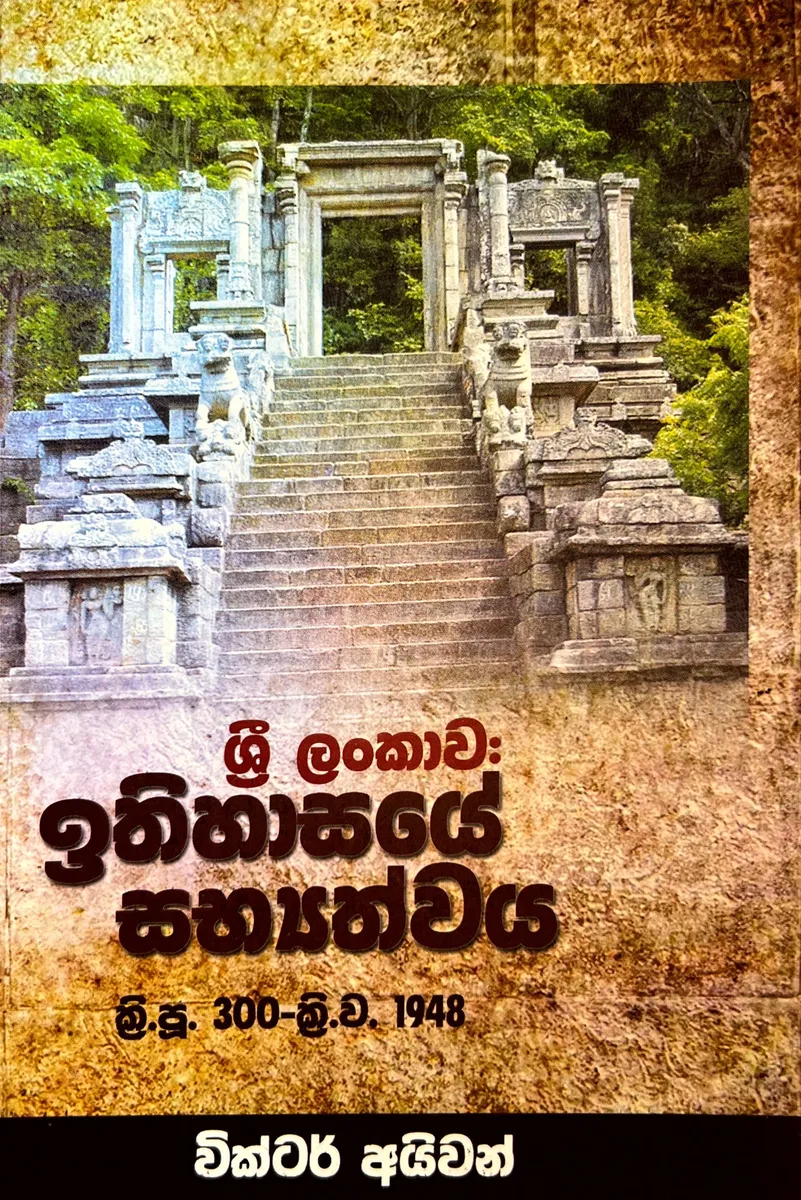
ශ්රී ලංකාව: ඉතිහාසයේ සභ්යත්වය යනු ලංකාව ජනාවාස වීම ආරම්භ වූ කාලයේ සිට 1948 නිදහස ලැබීම දක්වා වූ දීර්ඝ කාලපරිච්ඡේදය තුළ ලංකාවේ සමාජ දේශපාලනයේ සිදු වූ පරිණාමය අළලා ලියූ කෘතියකි. පොතේ ඇතුළත් ප්රවාද මතභේදයට හා විවාදයට තුඩු දිය හැකි බව කතුවරයා ම පවසයි. පූර්ව නූතන යුගයේ මිනිසුන් බෙදූ ප්රධාන සාධකය වර්ගය නොව ආගම බවත්, වාර්ගිකත්වය කරළියට පැමිණියේ නූතන යුගයේදී බවත් ඔහු තර්ක කරයි. පොළොන්නරුව යුගයෙන් පසු පරිහානියට ගිය ලංකාව නූතන රටක් බවට පත් වූයේ බ්රිතාන්ය පාලනය යටතේ බව ද, බ්රිතාන්ය යටත්විජිතවාදය ඉදිරිගාමී දෙයක් ලෙස සැලකිය හැකි බව ද ඔහුගේ අදහසයි. අතීතයේ පැවති ශ්රී විභූතිය පිළිබඳ අදහසට ද මෙහි විවේචනයක් එල්ල වේ.
කොටස් හතරකින් සමන්විත කෘතිය වැඩවසම් යුගය, බ්රිතාන්ය යුගයේ ධනේශ්වර පරිවර්තනය, පන්ති සමාජයක් ඇති වීම, සහ නූතන ලංකා සමාජයේ දේශපාලන සවිඥානකත්වය විග්රහ කරයි. ඉතිහාසය අපේ වර්තමානයේ අවුල් කෙරෙහි ද බලපාන බැවින්, ඉතිහාසයේ නොවිසඳුණු ප්රහේලිකා විසඳීමට දරන උත්සාහයක් ලෙස ද මෙම පොත සැලකිය හැකි ය. සමාජ ව්යාපාරයක් ගොඩනැඟීම පිළිබඳ කතිකාවකදී මතු වූ ප්රශ්න කිහිපයක් මෙම පොත ලිවීමට හේතු විය.
Sri Lanka: Civilisation in History traces how Sri Lanka’s society and politics changed between the beginnings of settlement and independence in 1948. Victor Ivan says himself that its arguments may well be contested. He argues that religion, not ethnicity, was the main thing dividing people before the modern era, and that ethnicity only came to the fore in modern times. In his view the island’s civilisation declined after Polonnaruwa and only became modern under British rule. He treats British colonialism as broadly progressive and questions the popular idea of a glorious ancient past.
The book has four parts: the feudal age before modern times, the capitalist transformation under the British, the rise of a class society, and the political awakening of modern Lankan society. Ivan presents it as an attempt to settle unresolved puzzles in the country’s history, which he believes still shape the confusion of the present. It grew out of questions raised in discussions about building a new social movement.