
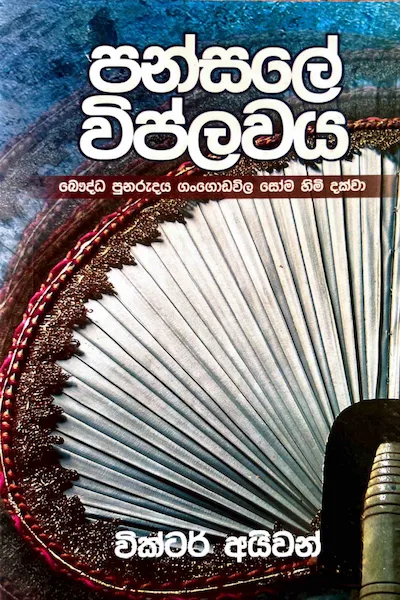
ගංගොඩවිල සෝම හිමිගේ අපවත්වීම ආශ්රයෙන් රටේ ඇතිවූ උද්වේගකර තත්ත්වය මෙම කෘතිය ලිවීමට ප්රධාන හේතුව වූ බව කතුවරයා පෙරවදනේ සඳහන් කරයි. සෝම හිමියන්ගේ අපවත්වීම ස්වාභාවික හේතු මත සිදුවූවක් බව පිළිගැනීමට අවශ්ය තරම් සාධාරණ කරුණු තිබියදීත්, එය “අපවත් කිරීමක්” බව කියන මතවාදයක් සංවිධානාත්මකව රට තුළ ගෙන යන ලදී.
සිංහල ජනවර්ගය තැනීමෙහි ලා බුද්ධාගම ඉටු කර තිබෙන ඓතිහාසික කාර්යභාරයත්, ජාතිය හා ආගම අතර ගොඩනැගී ඇති අනන්යතාව නිසා ඇති වූ ගැටලුත් මෙහි විමර්ශනය කෙරේ. ක්රිස්තියානි විරෝධී වාද විවාදවලින් ආරම්භ වන බෞද්ධ පුනර්ජීවනය ගංගොඩවිල සෝම හිමි දක්වා විටින් විට විවිධ ආවේගයන්ගෙන් මතුවූ ආකාරයත්, එම ව්යාපාරයන්ට ආවේණික ශක්යතා හා සීමාත් මෙම කෘතියෙන් විමසීමකට ලක් කෙරේ. ශ්රී ලංකාවේ ජනවාර්ගික අර්බුදය සමඟ ගැටගැසී තිබෙන ආගමික අර්බුදය සලකා බැලෙන කෘතියක් ලෙස මෙය සැලකිය හැකිය.
පන්සලේ විප්ලවය traces the Buddhist revival in Sri Lanka from the nineteenth century to Gangodawila Soma Thera, and asks what the close identification of Buddhism with the Sinhala nation has meant for the country. It was first published in September 2006.
In the preface, Victor Ivan explains that the book grew out of the turmoil that followed Soma Thera’s death. The available evidence pointed to natural causes, but an organised campaign spread the belief that he had been killed, and people acted on emotion rather than reason. Victor Ivan writes that religion plays a larger part than is usually admitted in what appears to be an ethnic crisis. Buddhism, he argues, had become a party to the conflict rather than a mediator, not through any fault of its own but because it had become identified with the Sinhala nation.
The book begins with the relationship between religion and race through history. Over time, every group that embraced Buddhism became Sinhalese, until Christianity, arriving with the Portuguese, challenged Buddhism’s place at the centre of Sinhala identity. It then follows the Buddhist revival in two periods, 1815–1880 and 1880–1915, the years from independence to the political upheaval of 1956, and the campaign to secure Buddhist rights. It closes with a long chapter on Soma Thera’s “dharma revolution”.
The appendices reproduce Professor Chandrasiri Niriella’s comments on the post-mortem findings, the report sent by the Sri Lankan ambassador in Russia to the Foreign Ministry, and Soma Thera’s last will.
Victor Ivan expected the book to be controversial. He believed that Sri Lanka’s crises could only be resolved by examining all their causes, seen and unseen.