
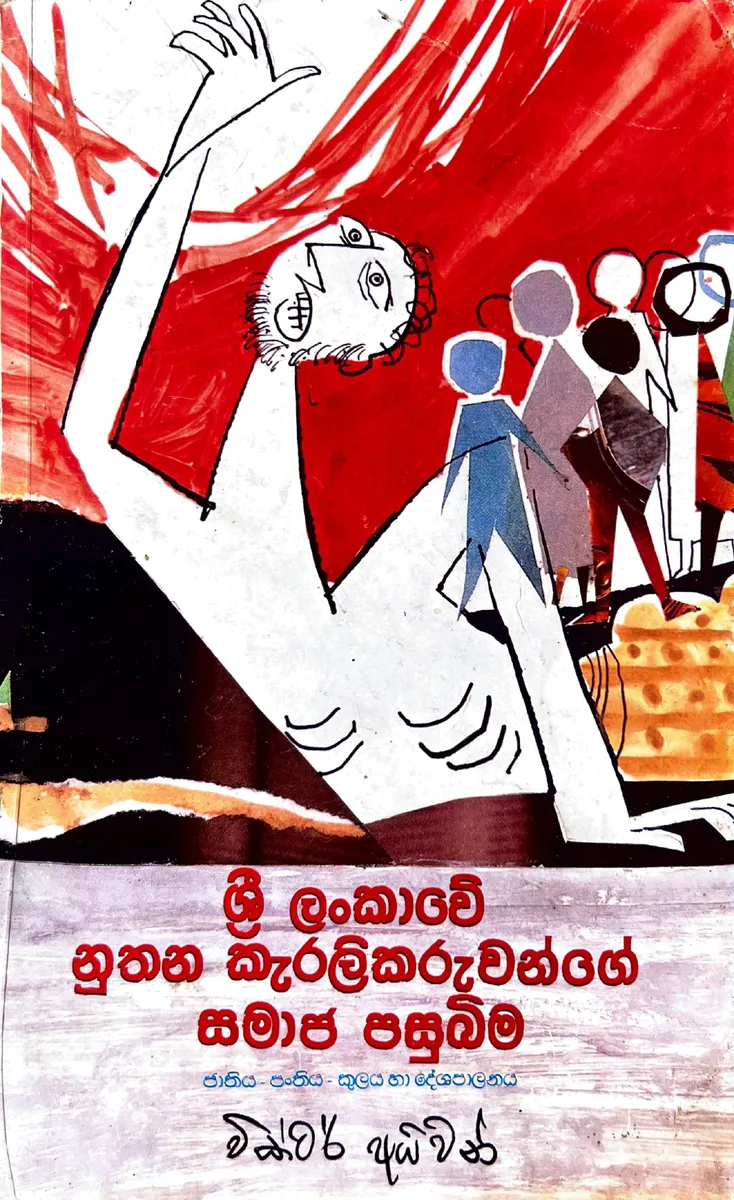
ජ.වි.පෙ.හි දෙවන කැරැල්ල අවසන් වෙමින් තිබූ අවස්ථාවේ ලියවුණු මෙම කෘතිය 1990 දී මුලින්ම පළ විය. ශ්රී ලංකාවේ නූතන තරුණ පරපුරේ කැරලිකාරීත්වය කෙරෙහි කුල පීඩනය බලපා ඇති ආකාරය එය විමර්ශනය කරයි.
ධනේශ්වර ක්රමය කුලය මුල් කරගත් පැරණි ශ්රම සංවිධානය අහෝසි කළද, කුල ක්රමයට ආවේණික උස් මිටි කම් සමාජ සිත් සතන්වලින් ඉවත් වී නැති බවත්, ජ.වි.පෙ. හා දෙමළ විමුක්ති කොටි ව්යාපාරයේ කැරලිකාරී නැගිටීම් කෙරෙහි එම පීඩිත කුල සාධකය බලපා ඇති බවත් කතුවරයා පෙන්වා දෙයි. ඉන්දියාවේ මෙන් නොව, ලංකාවේ කුල පීඩනය සමාජය පමණක් නොව පීඩිතයන් ද ප්රසිද්ධියේ නොපිළිගන්නා බව ඔහු අවධාරණය කරයි.
පළමු කොටසින් සිංහල තරුණ පරපුර කැරලිකාරී මඟට යොමු කිරීමට බලපා ඇති පොදු සාධක හා ඓතිහාසික පසුබිම ද, දෙවැනි කොටසින් කුල සාධකය ද, තෙවන පරිච්ඡේදයෙන් උතුරේ දෙමළ තරුණයන්ගේ කැරලිකාරීත්වයට බලපෑ සාධක ද සාකච්ඡා කෙරේ. මෙම කෘතිය 1999 හා 2006 දී නැවත මුද්රණය විය.
ශ්රී ලංකාවේ නූතන කැරලිකරුවන්ගේ සමාජ පසුබිම examines a cause of youth rebellion that Sri Lankan society preferred not to name: caste. Victor Ivan wrote it as the JVP’s second insurrection was coming to an end, and it was first published in 1990. It is the companion study to 71 කැරැල්ල, which leaves the social background of the rebels aside.
His starting point is that caste began as the feudal order’s way of dividing labour by birth, with the king at the top and the Radala below him. It governed what people could wear, how they could build their houses and how they could speak to one another. Capitalism ended caste as a system of work, but not as a hierarchy. Caste still divides people alongside nation, class and religion. He argues that the oppression felt by people of so-called low castes shaped the uprisings of both the JVP and the Tamil Tigers.
What sets Sri Lanka apart from India, he writes, is silence. In India people oppressed by caste organise openly as castes, and leaders such as Gandhi campaigned against it. In Sri Lanka, neither society nor the oppressed themselves acknowledge it. Protest is expressed instead through nationalism or socialism: the Tigers as a Tamil national liberation movement, the JVP as a socialist one. No movement in the country has set out to abolish caste.
The book has three parts. The first covers the general causes and historical background that drew Sinhala youth into rebellion. The second analyses the caste factor in depth. The third turns to the forces behind the rebellion of Tamil youth in the north.
In the introduction to the 1999 printing he warns that unless the country takes up the task of removing caste divisions from both Sinhala and Tamil society, bloodshed may come again, and that its intellectuals have not given the problem the attention it needs. The book was reprinted in 1999 and 2006.