
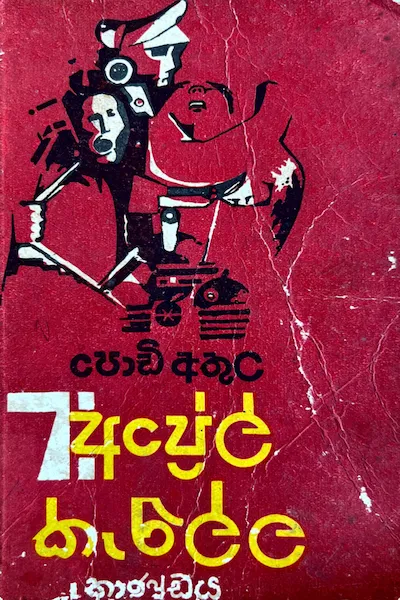
71 කැරැල්ල, 1960 දශකයේ මැද භාගයේ රහසිගතව බිහි වූ ජනතා විමුක්ති පෙරමුණේ ආරම්භයේ සිට, කැරැල්ල දියත් කිරීමට තීරණය කළ 1971 අප්රේල් 2 වැනි දින දක්වා එහි ඉතිහාසය ක්රමානුකූලව ගොනු කරන කෘතියකි. කතුවරයා කලක් පොඩි අතුල නමින් ජ.වි.පෙ. ක්රියාකාරිකයෙකු ලෙස ක්රියා කළ අතර, වසර හයකට කිට්ටු කාලයක් එහි නායකයන් හා සාමාජිකයන් සමග සිරගතව සිටියදී වසර හතරක් පුරා මෙය ලිවීය.
චීන-රුසියන් මතභේදයෙන් ඇරඹෙන පොත, 1970 පාර්ලිමේන්තුව විසුරුවා හැරීම, අම්බලන්ගොඩ අනුගාමිකයන් විජේවීරට එරෙහිව කැරලි ගැසීම හා හදිසි තත්ත්වය ප්රකාශ කිරීම ඔස්සේ 71 අප්රේල් කැරැල්ල දක්වා දිව යයි. ජ.වි.පෙ.හි නිර්මාතෘ රෝහණ විජේවීර එහි ප්රධාන චරිතය වේ. උපලේඛනවල 1970 දී විජේවීරගෙන් පොලිසිය ලබාගත් කට උත්තර හා ඔහු නිදහස් කරන ලෙස ඉල්ලා නිකුත් කළ ප්රකාශ ද, ජ.වි.පෙ. ප්රකාශන ලැයිස්තුවක් හා ඡායාරූප 65 කට අධික සංඛ්යාවක් ද ඇතුළත් ය.
පෙරවදනේ දී කතුවරයා කැරැල්ලේ ප්රතිඵල ද විග්රහ කරයි: පොලිස් ස්ථාන 74 කට පහරදීම, තරුණ තරුණියන් 18,000 ක් පමණ අත්අඩංගුවට පත්වීම හා 2,500 ත් 5,000 ත් අතර මරණ සංඛ්යාවක් පිළිබඳ ඇස්තමේන්තුව. 1979 දී මුලින්ම පළ වූ මෙම කෘතිය 1992, 2008 හා 2012 දී නැවත මුද්රණය විය.
71 කැරැල්ල is the history of the Janatha Vimukthi Peramuna from its secret beginnings in the mid-1960s to 2 April 1971, when its leaders decided to launch an uprising across the country three days later. First published in 1979, it is one of Victor Ivan’s two earliest books, and it is written from the inside. He had been a JVP activist himself, known as Podi Athula. As he explains in the preface, he spent close to six years in prison alongside the movement’s leaders and many of its members, which let him gather the events from its first days and set them in order. He wrote the book over four years and finished it before his release.
The book runs from the Sino-Soviet split that divided the communist left, out of which the JVP grew, through the movement’s search for its own analysis of Sri Lankan society, its rules of conduct for members, the dissolution of parliament in March 1970, the revolt of the Ambalangoda followers against Rohana Wijeweera and the declaration of a state of emergency, to a final chapter on the April 1971 insurrection itself. Wijeweera stands at the centre. Victor Ivan is clear that the uprising was not one man’s act, but as founder Wijeweera was its architect. Five appendices reproduce the statements Wijeweera gave the police after his arrest in May 1970 and the leaflets issued demanding his release. They are followed by a list of JVP publications and more than 65 photographs of the movement’s leaders and of the period.
The preface, written for the 2008 printing, takes the story past the point where the book ends. It records the attacks on 74 police stations, the roughly 18,000 young people arrested or surrendered, and estimates of between 2,500 and 5,000 dead against an official count of 1,200. It also answers reviewers of the first edition who felt he dwelt too much on Wijeweera’s private conduct. He argues that a leader’s personal life belongs to history when it shaped the movement he led. Writing after the far bloodier uprising of 1987–89, he hopes the book will help young people drawn to revolutionary politics to act with intelligence rather than emotion.
The book was reprinted in 1992, 2008 and 2012. Its companion study, ශ්රී ලංකාවේ නූතන කැරලිකරුවන්ගේ සමාජ පසුබිම (1993), looks at the social background of the rebels, which this book leaves aside.